
For anyone who keeps up with the goings-on beyond their own backyard, 2026 has already brought an onslaught of stress and pain. Our core personal and collective values are being violated at home and abroad. Communities are being violently trampled by our own government, in ways previously inconceivable. These unprecedented developments understandably produce anger, fear, shock, grief, powerlessness and trauma in many of us.
But this is not meant as a political post. My purpose here is to talk about how we might, even in crazy, tough times such as these, keep ourselves sane, grounded, and reasonably happy. What if doing so -- not losing ourselves, our joy and our power, in the midst of this nasty storm -- is a kind of meaningful victory on its own?
I’m not suggesting it’s easy, or that there’s one right way to do it. But if you could use more joy to your life, bits of inner peace, a tad of hope, and a way to replace powerlessness with a sense of occupying the driver’s seat of your life, here are a few things to consider:
1. We all know we can effectively influence our states of mind and moods by controlling our exposure to the bad news around us. We can affect our quality of sleep, blood pressure, muscle tension, digestion, overall peace of mind, and ability to handle life’s challenges by limiting our exposure to and interaction with the news. We have that power.
Is it easy? Absolutely not!... Is it the right thing to do? I propose that it is. There is no virtue in agony, or in allowing our physical and emotional health to deteriorate, when a fraction of the exposure would suffice to keep us updated on current events.
As I see it, we can more effectively offer calm support to others, and infuse the world around us with much needed positive energy when we are at peace, present, and grounded, than when we are depleted, angry and discouraged.
I invite you to look at the personal costs and benefits of high exposure to news and political social media vs. those of low exposure:
What does high exposure do for you physically, mentally, emotionally?
How does it affect your ability to respond to what is going on around you?
What is the impact of low exposure to the news on your body and mind?
How does it affect your ability to respond to what is going on around you?
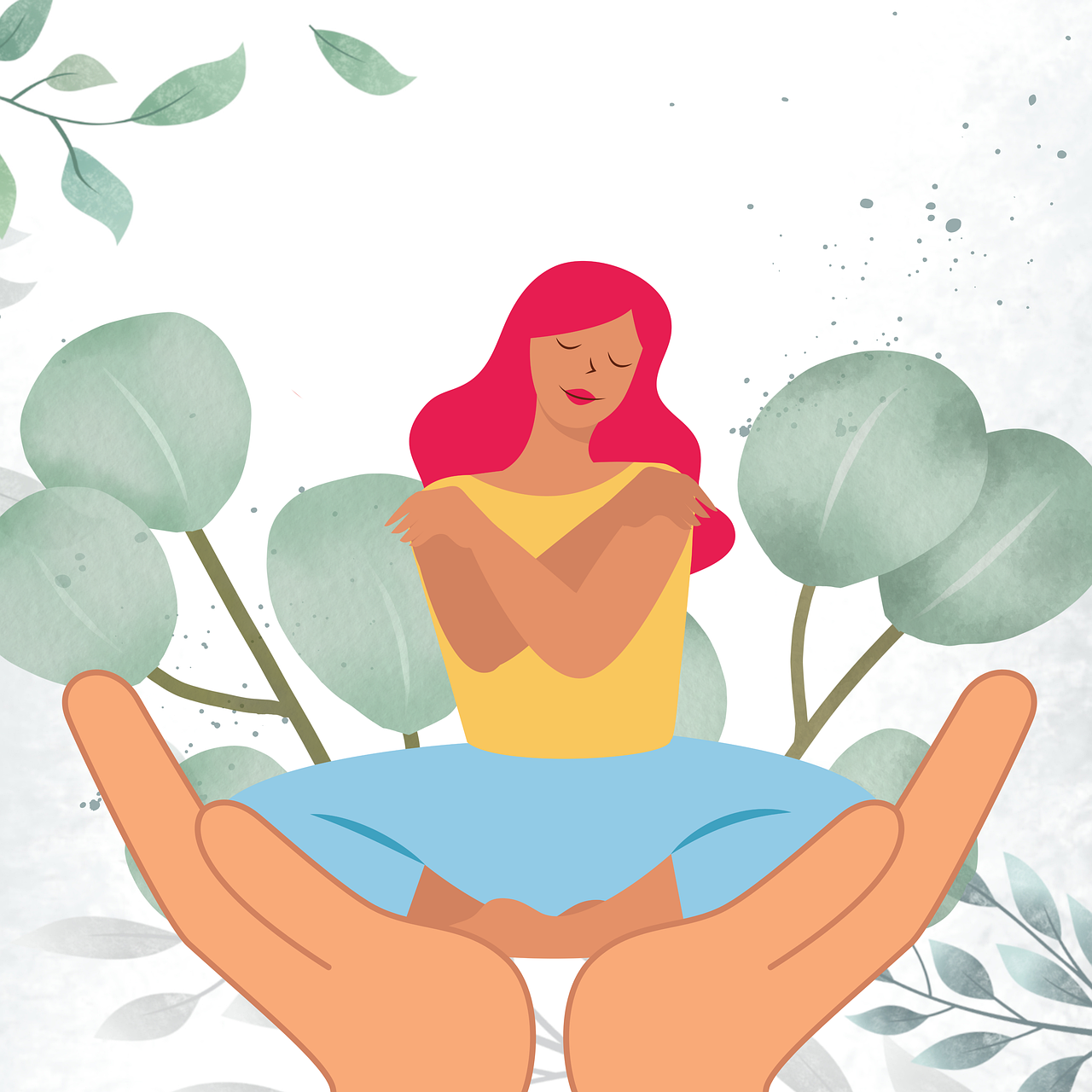
Would you like to take back control of your mind and nervous system from the powers who deliberately work to disempower you? Or, do you play into their hands?... The very act of enforcing a limit of any size on your exposure to news brings control over your mind back to you. Caring for your mental wellbeing at a time when pain and injustice abound is not selfish. It is an act of resistance. A kind of activism.
2. We are surrounded by “energy thieves” that are hard to escape. These are the people, habits, events, and environments that chronically drain our emotional and physical vitality. Being hooked by a virtual IV to a never-ending stream of bad news is a big one.
Limiting our exposure to the news, and other “energy thieves” in our lives is critical to protecting our life energy. But in difficult times, it may not be enough. We need to proactively replenish the life energy we’ve lost and ensure that our internal “batteries” never deplete to “red”, by regularly engaging in a few simple things that are guaranteed to do the job:
Connect with others. Don’t allow isolation to take hold in your life. If you initiate a phone call to a family member or send an invitation to coffee or a walk to a friend or an acquaintance, chances are high that they’ll be grateful. You will both benefit meaningfully. It’s a risk worth taking!
Spend time in nature. Take a walk up the street or in the nearby park. Catch a sunset Go on a hike. Visit a community garden or a beach. Nature, with its fundamental harmony, peace and beauty, provides calming sensory inputs and fosters cognitive restoration by reducing mental fatigue.
Move your body in a way that is slow and intentional. This will move your attention from your thoughts to your physical body, and from fear about the future to your present moment experience. A bit of Tai Chi, simple stretching, yoga, dancing, focused breathing, and mindful walking are examples.
Practice self love. Acknowledge it’s been rough, which is has, and that you deserve a comforting treat —which you do — and treat yourself to a warm bath with lavender salts, couch time under a soft blanket with a book and a cup of tea, a sweet treat, a pedicure, a massage, a late morning in bed, etc. Such “treats” allow your nervous system to calm down, reduce mental and physical tension, recharge your internal battery and enable you to sustain your balance and wellbeing longer.
Practice Gratitude. Take five minutes to help your mind remember what it’s like to focus on the good. Think of three people who love you and how lucky you are for that. Think of three people you love and what that feels like. Think of three things in your home you’re happy for. Bring to mind three activities that give you joy. Think of the communities or groups you’re glad to belong to. It works!
10-15 minutes a day of one or more of these can do wonders.
I leave you with these magical, heart soothing words from environmental steward and poet Wendell Berry:
When despair for the world grows in me
and I wake in the night at the least sound
in fear of what my life and my children’s lives may be,
I go and lie down where the wood drake
rests in his beauty on the water, and the great heron feeds.
I come into the peace of wild things
who do not tax their lives with forethought
of grief. I come into the presence of still water.
And I feel above me the day-blind stars
waiting with their light. For a time
I rest in the grace of the world, and am free.
from The Peace of Wild Things And Other Poems (Penguin, 2018)
Any thoughts, suggestions, comments, or questions? Let me know -- I’d love to hear from you.
